Every time a goal is scored in La Liga, Goldman Sachs and Co. earn more than 170,000 euros,and that’s just the tip of the iceberg. As football has evolved into a global billion-dollar business, those who control the money are gaining more power and starting to pull the strings. Real Madrid’s stadium, the sale of Chelsea, Barcelona’s debts, the European Super League,when money moves in football, banks like JP Morgan and Goldman Sachs are not far behind. This influx of money buys power. Major American banks view European football as an untapped market and are eager to stake their claim. As clubs take on more loans and invest in infrastructure, this influence only grows. They have already attempted to reshape European football with the Super League. Although that effort failed, they are now investing directly in clubs and leagues. Everything changed in the early 90s when a breakaway group of England’s top clubs formed the Premier League.
This move gave clubs greater control over TV rights, culminating in an exclusive deal with SKY worth 60 million pounds per year,an almost 50% increase from the previous deal. Football finances transformed overnight. Clubs now generate income from three main sources: ticket sales, commercial deals, and broadcasting. Historically, ticket sales were the primary revenue source, but stadium capacity limited growth. Commercial deals, including shirt sponsorships and official partnerships, have expanded as football reached new audiences. Broadcasting deals, once the smallest revenue stream, have grown significantly with technological advances and a global audience. The Premier League claims to have an audience of nearly 5 billion people, driving up the value of TV rights not just in England but across Europe. Broadcasting revenue has become the largest source of income for many clubs. In less than 20 years, Europe’s top five leagues have increased their combined annual income by more than 1,000%. However, playing at the top level also incurs high costs. In 1984, the average player in England’s top league earned around 25,000 pounds per year. Today, that average is 3 million pounds. Clubs in Europe now allocate over half their income to player salaries, and transfer market spending has tripled in just over a decade. Studies indicate that higher spending correlates with better performance in the league, making money a key to success.
The greater the access to money, the more success a club can achieve, and where does this money come from? Rich oligarchs, state funds, or...banks. JP Morgan and Goldman Sachs collectively control nearly 5 trillion dollars in assets. With this money, you could stack dollar bills to the moon and still have a quarter billion left. Investments range from tennis balls to long-range missiles, but recently, football has attracted their attention. Real Madrid’s new billion-dollar stadium is financed by JP Morgan. Barcelona’s new stadium? Also funded by JP Morgan and Goldman Sachs. Jim Ratcliffe’s purchase of Manchester United? And the acquisition of Chelsea? You guessed it,backed by these banks. Then there’s the most controversial strategy: In 2021, La Liga agreed to a deal with CVC Capital Partners and JP Morgan. La Liga received 2 billion euros, while the banks secured 8% of future TV revenue for the next 50 years. CVC has a similar agreement with Ligue 1. A previous attempt to strike a deal with the Bundesliga was met with fan protests.
These agreements provide clubs with early access to future cash, which is ideal for investing in success, but fans are concerned. There is apprehension that private equity’s stake in the league’s commercial rights could dilute the power of the clubs and their members. Will future league decisions prioritize fans or the banks? JP Morgan and Goldman Sachs believe European football is undervalued. The logic is simple: Europe’s top five leagues boast the largest fanbases in sports but generate less revenue than the NFL. European leagues have room to catch up in two key areas: ticket sales and TV deals. NFL games average 70,000 spectators, while Premier League games average 40,000. This disparity is not due to the NFL’s greater popularity but rather smaller stadium sizes in Europe. The solution? Build better, more versatile stadiums. New stadiums can host more events, maximizing revenues. Around 200 million people watched the 2024 Super Bowl, but El Clásico attracts three times more viewers each year. Can you guess which one generates more TV revenue? European football TV rights are considered undervalued. While domestic revenues may have stagnated, international growth continues. This is why JP Morgan wanted a share of La Liga’s future TV revenue and why banks invest in new stadiums. Predictions are optimistic, but this money comes with strings attached.
JP Morgan and Goldman Sachs now hold significant power in European football. Whenever a club is up for sale, it’s usually one of these two banks that controls the process. They decide whom to invite, whom to talk to, and when. While they promise to remain impartial, they still influence the final decision. This influence can be indirect, as most prospective owners seek loans from these banks. The approval or rejection of these loans can determine who ends up owning a club. Ownership brings additional power: club owners can vote on league rules, approve sponsorship deals, broadcasting contracts, or even a deal where a league sells future broadcasting rights to JP Morgan. This new dynamic alters European football, placing clubs and leagues in debt to these banks. Repayments pressure decision-makers to maximize revenues, potentially prioritizing bank interests over fans’ and players’ desires. With these US banks advising clubs, there is a shift towards American sports business principles to compete with the NFL and NBA. This changes how clubs seek sponsors, sign players, and structure contracts.
For instance, Chelsea has adopted a model of signing young players on long contracts, spreading transfer fees over several years to lower upfront costs—a strategy borrowed from Major League Baseball. Critics argue this represents an Americanization of football, causing unease among many Europeans. However, this influence extends beyond contracts and broadcasting deals.
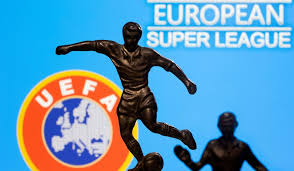
Don’t forget the European Super League—the banks’ first attempt to change European football. The Super League aimed to create a closed competition for Europe’s biggest clubs, ensuring every match featured big names, generating more TV revenue, and eliminating relegation. Fan backlash doomed the project, but it persists. Figures like Florentino Pérez, Joan Laporta, and Andrea Agnelli believe football is undervalued and that they can profit more from it. This idea won’t disappear, especially with increasing outside investment. There will always be pressure to find new ways to maximize investment. As money becomes more central to football, those who control it gain increasing power.
Ali Amadghous
Football Management Expert